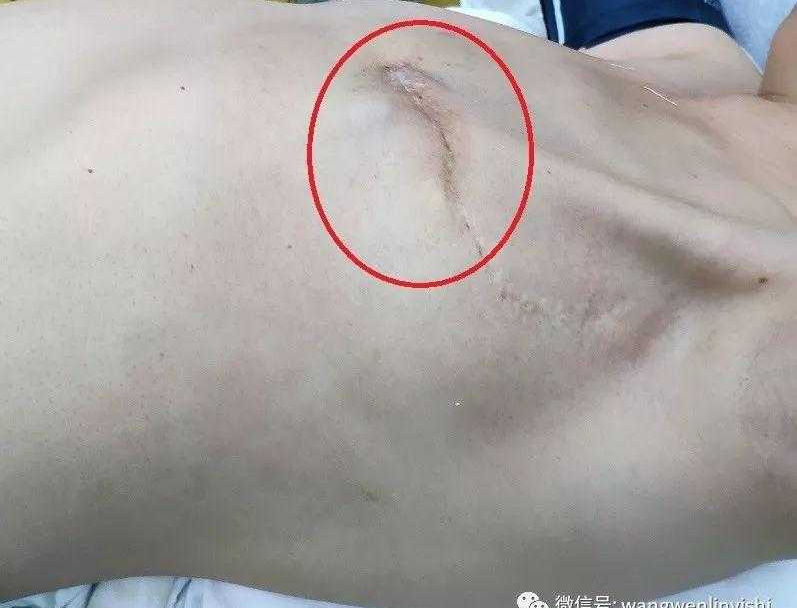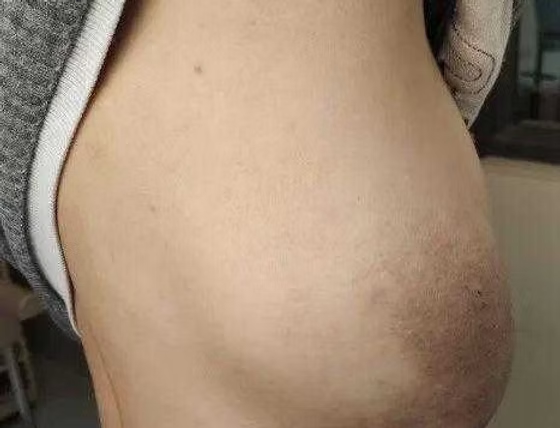
Chest wall tumor refers to all new growths of the chest wall and can be categorized into 3 main types: bone structure tumor, soft tissue tumor, and skin tumor. It can be primary or metastatic from tumors in other parts of the body. Primary tumors can develop in any part of the chest wall’s structure or tissue, while secondary tumors are mostly found in the bone of the chest wall. Although secondary tumors may occur in other areas of the chest wall, such instances are not common.
Introduction
Causes
The cause of primary chest wall tumors remains unclear, while secondary tumors are almost always due to the spread of malignant tumors from other parts of the body. This can lead to localized damage or pathological fractures of the ribs, resulting in pain.
Symptoms
The symptoms of chest wall tumor vary based on the tumor’s location, size, type, growth rate, as well as its relationship with surrounding tissues and organs. Common symptoms include localized pain and tenderness on palpation. Some patients may also experience coughing and breathing discomfort. Additionally, in the middle and late stages of the disease, complications such as pathological fractures and pleural effusion may occur.