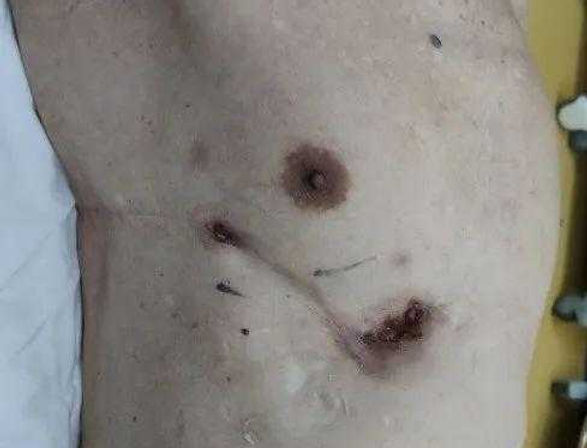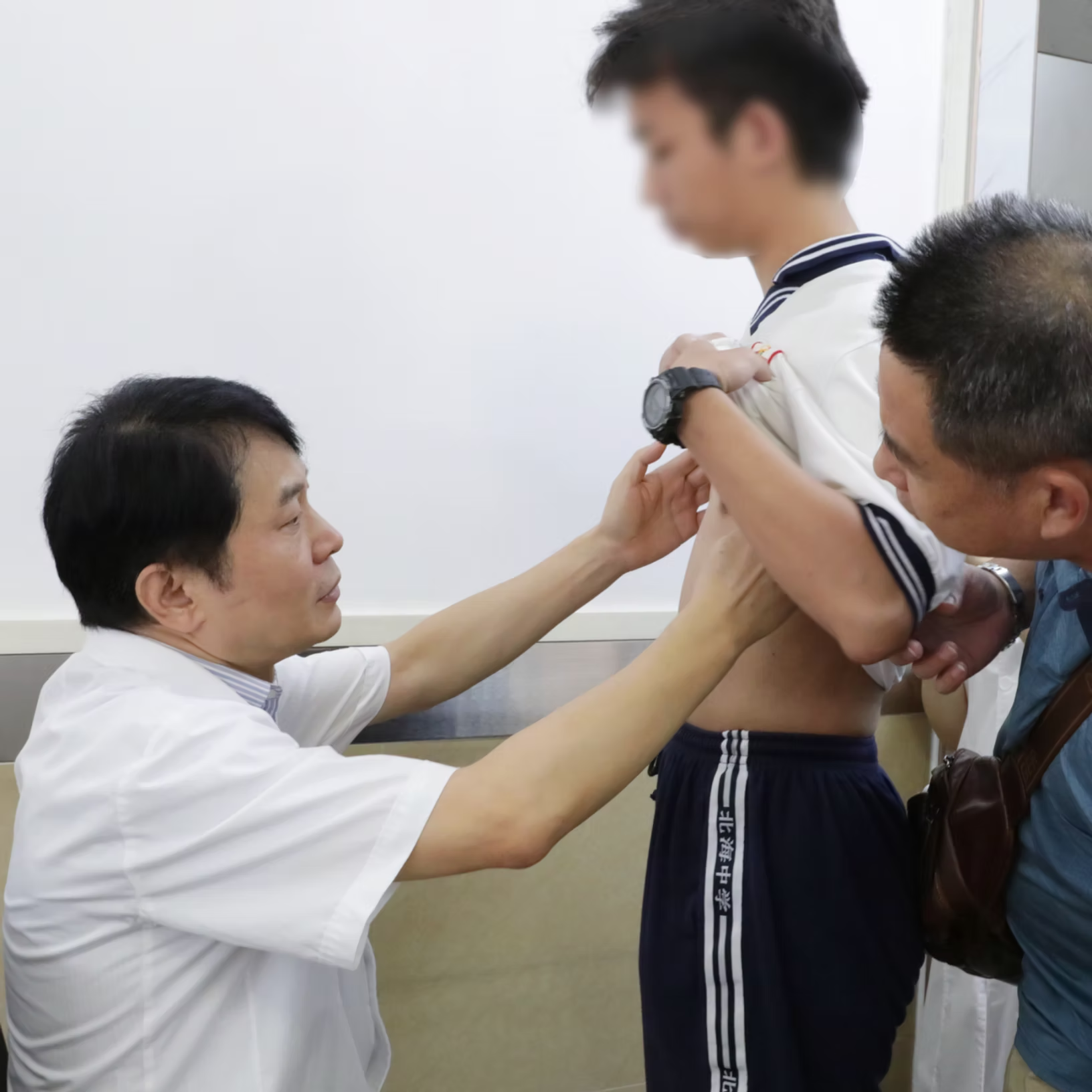
Chest wall infection refers to infectious lesions occurring in the various structures and tissues of the chest wall, including the skin, subcutaneous tissues, ribs, muscles, and other internal structures of the chest wall. The infection is typically caused by bacteria or other pathogens, and can affect any part of the chest wall.
Introduction
Causes
Chest wall infection can occur for various reasons, with the six most common including:
1. Trauma: Traumatic injuries such as severe impacts, stab wounds, or surgeries can damage chest wall tissues, creating an opportunity for bacteria or other pathogens to invade and trigger an infection.
2. Thoracic surgery (such as cardiac surgery, lung surgery, etc.) or other diagnostic and therapeutic procedures (like chest tube insertion or chest tube drainage) can compromise the integrity of the chest wall and increase the risk of infection. Additionally, if aseptic techniques are not strictly followed during the procedure, or if there are issues with the sterilization of instruments, materials, or dressings, postoperative infections can occur.
3. Cryptic infection: Cryptic infection, which can also be regarded as a primary infection, presents with insidious onset and unknown etiology. The most probable cause is the hematogenous spread of infections from other body sites, such as in the case of tuberculous chest wall infection.
4. Direct spread: If the infectious foci in the lungs or thoracic cavity isn’t promptly managed, the infection may spread to the chest wall, leading to chest wall infection.
5. Localized necrosis of chest wall tissue: Necrosis in localized areas of the chest wall can lead to skin breakdown, creating openings for bacteria to enter and cause chest wall infection.
6. Weakened immune system: Patients with certain immunodeficiency disorders (such as AIDS), chronic diseases (such as diabetes, hepatic or renal insufficiency), or those receiving treatments that suppress the immune system (such as chemotherapy) are more prone to infection due to their reduced resistance.
Symptoms
In addition to localized pain, other possible symptoms include fever, headache, muscle soreness, and fatigue, etc.