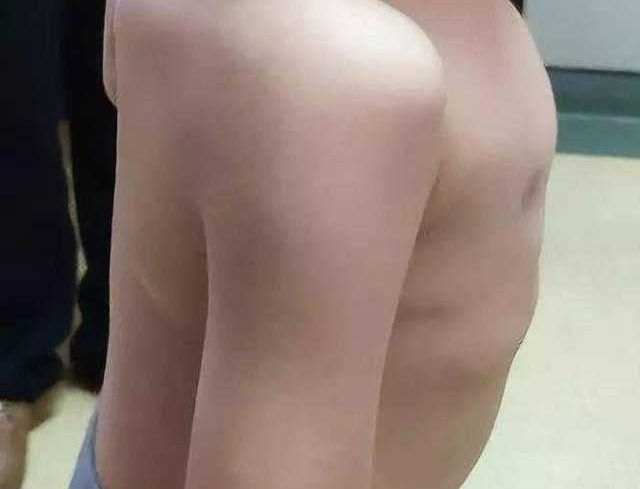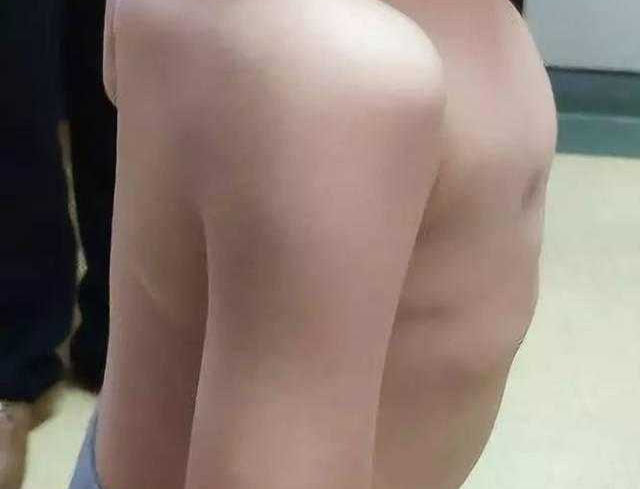
Straight back syndrome, also known as flatback syndrome, refers to the disappearance of the normal physiological curvature of the thoracic spine, which results in a shortened anteroposterior diameter of the chest. This reduction not only decreases the effective volume of the thoracic cavity but also compresses the mediastinal contents, leading to a series of changes, such as compression and displacement of the heart and major blood vessels.
Introduction
Causes
The cause of straight back syndrome remains unclear, but it may be related to genetic factor or abnormal thoracic vertebrae development during the embryonic stage.
Symptoms
Common symptoms of straight back syndrome include chest tightness, shortness of breath, palpitations, arrhythmias, precordial pain, and breathing discomfort. Some patients may also experience severe airway obstruction. Additionally, patients with straight back syndrome often have accompanying chest wall deformities such as pectus excavatum and flat chest.