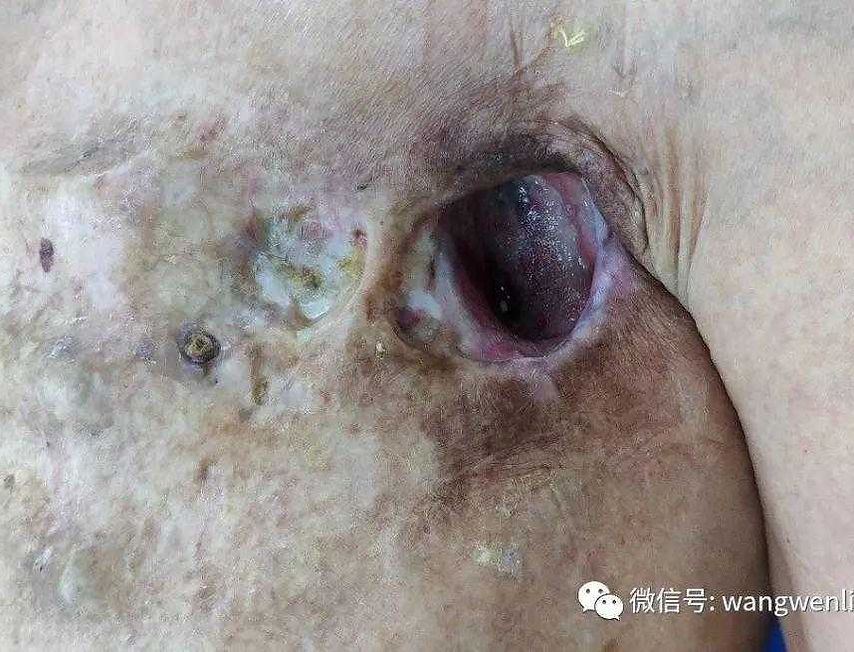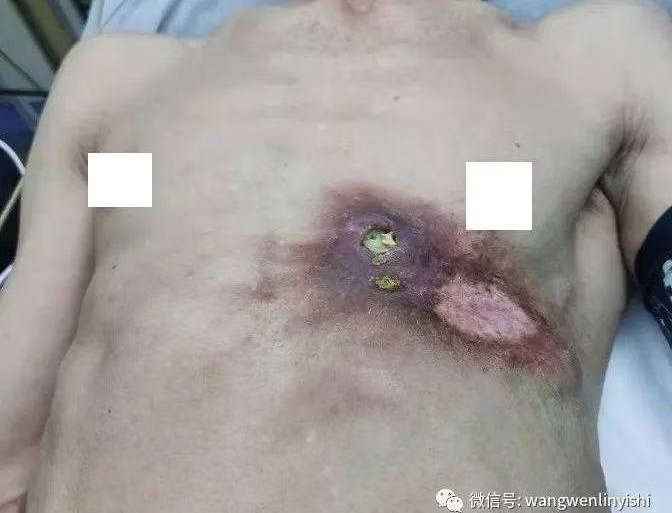
Chest wall defect refers to the absence of chest wall structure, including skin, soft tissue, and bone structure. Defect of the bone structure is commonly seen in the ribs and costal cartilages, while sternum defect is less common and is usually confined to specific areas.
Introduction
Causes
The cause of primary chest wall defect remains unclear, but it is believed to involve congenital underdevelopment or genetic factor. Additionally, certain congenital diseases may contribute to the defect. For example, patients with conditions like Poland syndrome or thoracic dysplasia syndrome may exhibit missing ribs.
The causes of secondary chest wall defect are well-defined and are often seen after chest wall trauma, surgery, or infection. Other factors, such as necrotic skin ulcer resulting from radiation therapy after breast cancer surgery, can also lead to the defect.
Symptoms
The symptoms of chest wall defect differ based on the type, severity, and individual differences. Common symptoms include chest pain, breathing difficulty, and coughing with bloody sputum. Additionally, chest wall defect may leads to chest wall infection, which manifests as localized swelling, pain, and fever.